Riyadh · American & Canadian Board
Honest answers. Clearer vision.
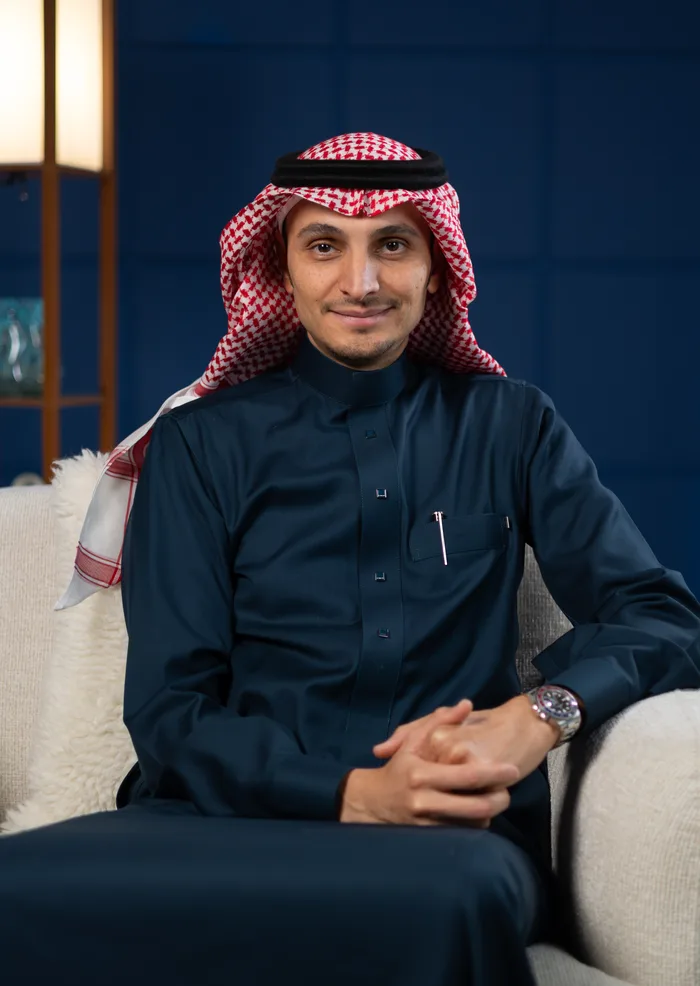
Consultant cataract, cornea and refractive surgeon, certified by the American and Canadian Boards of Ophthalmology, and assistant professor at King Saud bin Abdulaziz University for Health Sciences. Over 15 years of experience and one principle: thorough testing first, and surgery only when it is truly right for you.
- +15years in ophthalmology
- 2boards: American & Canadian
- 0stitches or anaesthetic injections in cataract surgery
- 1decision that matters: what suits your eye
Why Dr. Mohammed Al Sharif?
Dr. Al Sharif holds both the American and Canadian Boards of Ophthalmology, with sub-specialty training in corneal surgery, refractive surgery and cataract surgery, and practised as a consultant ophthalmologist in Canada before returning to Riyadh. Today he is a consultant at King Abdulaziz Medical City (National Guard) and an assistant professor at King Saud bin Abdulaziz University for Health Sciences, and sees patients at his clinic at Al Habib Specialist Hospital.
Double board certified
American and Canadian Boards of Ophthalmology — internationally recognised training and qualification.
Tests before decisions
Corneal imaging and precise measurements before any procedure. Surgery is proposed only once it is confirmed safe and suitable for your eye.
Honesty without hype
He explains the options and realistic outcomes clearly — and tells you honestly if a procedure is not right for you.
The latest technology
Femto-LASIK, SMILE, Trans-PRK and lens implantation, and cataract surgery with the latest equipment and premium lenses.
Procedures & services
All types of vision correction, lens implantation, cataract surgery and treatment of corneal disease.
Laser Vision Correction (Femto-LASIK, SMILE, PRK, Trans-PRK)
Freedom from glasses and contacts for short-sight, long-sight and astigmatism — with a technique chosen for your cornea, not for fashion.
Read moreICL Lens Implantation
A tiny lens implanted inside the eye without touching the cornea — the answer for those unsuited to laser.
Read moreCataract Surgery & Lens Implantation
Replacing the clouded lens with a new clear one using the latest technology — no stitches, no anaesthetic injection.
Read moreKeratoconus
Progressive thinning and bulging of the cornea; early diagnosis by imaging makes all the difference.
Read moreCorneal Cross-linking
Strengthening corneal fibres with riboflavin and UV light to stop keratoconus progressing.
Read moreCTAK Natural Ring Implantation
Rings of natural corneal tissue implanted inside the cornea to regularise it and improve a keratoconus patient's vision.
Read moreDon't fear vision-correction surgery
Vision correction is among the safest procedures in medicine when performed on the right candidate after the right tests. The procedure itself takes minutes and is painless; everything depends on what comes before it — corneal imaging, thickness measurement and a stable prescription. That is what determines the best technique for you, or tells us honestly that you are not a candidate.
- Suitable from age 18, provided the prescription has been stable for a year
- Thorough corneal imaging before choosing the technique
- Femto-LASIK, SMILE, PRK, Trans-PRK or ICL — each eye gets what suits it
- After 50, lens implantation is often the better option
In the media & research
Vision-correction surgery: benefits and medical cautions
Guest on Saudi TV's morning show discussing vision-correction surgery, who it suits and the tests required beforehand.
Vision (MDPI) – 2026Behavioral and sociodemographic factors associated with vision-related quality of life in keratoconus: a cross-sectional study in Riyadh
Peer-reviewed study co-authored by Dr. Al Sharif with King Saud bin Abdulaziz University for Health Sciences and KAIMRC.
Questions the doctor hears often
How long does vision-correction surgery take?
A few minutes per eye, under anaesthetic drops with no injection. You spend about an hour at the centre including preparation, the procedure and the check afterwards.
When can I go back to work?
After Femto-LASIK and SMILE usually the next day or the day after. After PRK and Trans-PRK within 4–7 days, because the corneal surface needs time to heal.
When can I go back to the gym?
Light exercise after a few days; strenuous exercise and swimming after one to two weeks depending on the technique and your follow-up. The key is keeping sweat out of the eye and not rubbing it.
Can I travel after eye surgery?
Yes, after the first follow-up and your doctor's approval, taking your drops with you and using them as prescribed. Flying itself does not harm the eye after surgery.
Book your appointment in Riyadh
Clinic at Dr. Sulaiman Al Habib Specialist Hospital. Call the coordination line or message on WhatsApp to book.
Dr. Sulaiman Al Habib Specialist Hospital – Riyadh
Al Takhassousi Road, Ar Rahmaniyyah, Riyadh 12344, Saudi Arabia
Clinic hours
By appointment — call or WhatsApp for the next available slot